
Neuroscience · In Vivo Imaging · Cortical Plasticity
We investigate the mechanisms the aging brain uses to learn and how it processes information from the environment — exploring synaptic dynamics, cortical plasticity, and the role of gonadal hormones in memory and cognition.
About the Lab
Cortical circuits remain remarkably plastic throughout life, continually rewiring themselves to support learning and memory. That plasticity falters with age and with neurodegenerative disease — and understanding how and where it falters is the central question of our laboratory.
We combine in vivo two-photon laser scanning microscopy, intrinsic optical signal imaging, and chemo- and optogenetics with transgenic mice expressing fluorescent proteins in cortical pyramidal cells to watch dendritic spines in action — in the living brain, in real time. Because we can return to the same cells day after day, and even month after month, we can pinpoint when structural changes occur and map them across the somatosensory cortex, motor cortex, and dorsomedial prefrontal cortex.
Alongside this imaging work, we use in vitro approaches to ask what drives the changes we see: how the expression and distribution of inhibitory synapse-associated proteins shift with age, how the electrophysiological signatures of excitatory pyramidal neurons and inhibitory GABAergic interneurons are remodeled, and how key regulators of neuronal homeostasis are dysregulated in aging and Alzheimer's disease. We also study how aging, Alzheimer's, and cardiometabolic dysfunction reshape neurovascular coupling — the system that delivers oxygen and nutrients to active neurons.
Our research focuses on four interconnected questions:
Our Work
Our research program is dedicated to defining the neuroanatomical basis of cognitive, sensory, and motor decline in the healthy aging brain. Using longitudinal in vivo two-photon imaging across the somatosensory, motor, and frontal cortices, we have challenged the traditional paradigm of widespread neuronal loss, demonstrating instead that age-related functional deficits stem from profound alterations in synaptic connectivity and dynamics. Our work has revealed that the aging brain exists in a state of heightened baseline instability, characterized by elevated synaptic turnover and a significant reduction in the long-term retention of new connections — a phenomenon that likely results in weaker, less efficient circuits.
We have further shown that this inherent instability creates a “ceiling effect” that impairs experience-dependent plasticity. While young circuits adapt to sensory stimulation, motor learning, or pharmacological cues like ketamine with robust structural remodeling, aged circuits exhibit a blunted, less persistent response, failing to incorporate new experiences into a stable “structural trace” of memory. Additionally, our team has identified a critical shift toward neuronal hyperexcitability and diminished inhibition, driven by changes in the intrinsic properties of pyramidal neurons and a decline in the inhibitory network, particularly within parvalbumin-positive interneurons. By mapping these complex volumetric and structural shifts, we aim to uncover therapeutic pathways to restore synaptic tenacity and cognitive flexibility in the aging population.
Cardiometabolic conditions such as hypertension and obesity are now recognized as major risk factors for cognitive decline after menopause. Estradiol replacement therapy initiated early in the menopausal transition can preserve cognition in otherwise healthy women, but it remains unclear whether those benefits hold when a woman enters menopause already burdened by cardiovascular or metabolic disease. The central hypothesis of this project is that cardiometabolic dysfunction prior to menopause blunts neurovascular coupling — the mechanism that matches local blood flow to neuronal activity — through endothelial nitric oxide synthase uncoupling, which in turn impairs the synaptic plasticity that cortical circuits need to support memory and learning.
To test this, we combine in vivo two-photon imaging, electrophysiology, behavior, and mitochondrial bioenergetics in a mouse model that recapitulates the cardiometabolic profile of midlife women on a Western-style high-fat diet. We are characterizing how prior cardiometabolic disease alters the excitatory–inhibitory balance of cortical microcircuits, the steady-state and experience-driven dynamics of dendritic spines, and the integrity of neurovascular coupling — and asking whether limiting oxidative stress (peroxynitrite) can restore healthy coupling and rescue cognitive performance. This work is conducted as Project 2 of the NIA-funded Program Project Estrogens, Cardiometabolic Health, and Female Cognitive Aging.
Synaptic dysfunction precedes the overt cognitive symptoms of Alzheimer's disease and is thought to be the earliest cellular substrate of memory failure. Most classical transgenic AD models overexpress mutant amyloid precursor protein at supraphysiological levels, which can introduce phenotypes that are unrelated to amyloid pathology itself. The AppNL-G-F knock-in mouse — carrying the Swedish (NL), Arctic (G), and Iberian (F) familial AD mutations within the endogenous mouse App gene — circumvents this problem by producing pathogenic Aβ42 at near-physiological APP expression levels, recapitulating the slow, age-dependent build-up of amyloid plaques, microglial reactivity, and synaptic alterations that more faithfully resemble the human disease.
Using AppNL-G-F mice, we map how amyloid pathology disrupts the structural and functional plasticity of cortical pyramidal neurons across the disease course. Combining longitudinal in vivo two-photon imaging of dendritic spine dynamics with patch-clamp electrophysiology and behavioral assays, we ask when and where the cortical plasticity deficit first appears in the somatosensory, motor, and dorsomedial prefrontal cortex; whether it is driven by altered excitatory drive, weakened inhibitory tone, or both; and whether early pharmacological or experiential interventions can restore the lost capacity for synaptic remodeling — and with it, cognitive flexibility — before amyloid pathology becomes irreversible.
Publications
A complete list of our laboratory's publications. For the most current listing, see Ricardo Mostany's PubMed bibliography.
Effect of hypoglycemia on the diameter of cerebral vasculature in vivo and cerebral ischemia-reperfusion injury in mice.
Transient neurovascular coupling impairment in brain penetrating arterioles of streptozotocin treated mice post recurrent nonsevere hypoglycemia.
Treatment with a botanical mixture of cannabidiol:Δ-tetrahydrocannabinol enhances microglial phagocytosis and shapes amyloid plaques in a mouse model of Alzheimer's disease.
Preserved synaptic architecture but impaired ketamine-induced synaptic plasticity of layer 5 pyramidal neurons in the aged frontal cortex. Preprint
Dendritic spines of layer 5 pyramidal neurons of the aging somatosensory cortex exhibit reduced volumetric remodeling.
Fatty acid amide hydrolase gene inactivation induces hetero-cellular potentiation of microglial function in the 5xFAD mouse model of Alzheimer's disease.
Differences in motor learning-related structural plasticity of layer 2/3 parvalbumin-positive interneurons of the young and aged motor cortex.
Fibrinogen in mice cerebral microvessels induces blood-brain barrier dysregulation with aging via a dynamin-related protein 1-dependent pathway.
Amyloid(1-42) peptide impairs mitochondrial respiration in primary human brain microvascular endothelial cells: impact of dysglycemia and pre-senescence.
Insulin regulates neurovascular coupling through astrocytes.
Glycolytic and oxidative phosphorylation defects precede the development of senescence in primary human brain microvascular endothelial cells.
Genetic deficiency of p53 leads to structural, functional, and synaptic deficits in primary somatosensory cortical neurons of adult mice.
Effects of aging on protein expression in mice brain microvessels: ROS scavengers, mRNA/protein stability, glycolytic enzymes, mitochondrial complexes, and basement membrane components.
Neuronal SETD2 activity links microtubule methylation to an anxiety-like phenotype in mice.
Alterations in the estrogen receptor profile of cardiovascular tissues during aging.
Increased intrinsic excitability and decreased synaptic inhibition in aged somatosensory cortex pyramidal neurons.
Peroxynitrite decomposition catalyst enhances respiratory function in isolated brain mitochondria.
Am J Physiol Heart Circ Physiol. 320(2):H630-H641. DOI · PubMed
Chronic imaging of mitochondria in the murine cerebral vasculature using in vivo two-photon microscopy.
Am J Physiol Heart Circ Physiol. 318(6):H1379-H1386. DOI · PubMed
Dendritic spine density and dynamics of layer 5 pyramidal neurons of the primary motor cortex are elevated with aging.
Measuring respiration in isolated murine brain mitochondria: implications for mechanistic stroke studies.
Reduced sensory-evoked structural plasticity in the aging barrel cortex.
RECK suppresses interleukin-17/TRAF3IP2-mediated MMP-13 activation and human aortic smooth muscle cell migration and proliferation.
A novel high-throughput assay for respiration in isolated brain microvessels reveals impaired mitochondrial function in the aged mice.
TRAF3IP2 mediates TWEAK/TWEAKR-induced pro-fibrotic responses in cultured cardiac fibroblasts and the heart.
Marked bias towards spontaneous synaptic inhibition distinguishes non-adapting from adapting layer 5 pyramidal neurons in the barrel cortex.
The Team
Current Members
Ricardo Mostany, PhD
Principal Investigator
Fatemeh Farahani, PhD
Postdoctoral Researcher
Zach Plumley
Graduate Student
Neuroscience PhD Program
Claire Alexander, MS
Graduate Student
Neuroscience PhD Program
Lorenzo Donald
Graduate Student
Physician Scientist Program
Victor Calero Hernandez, MS
Laboratory Technician
Alfredo Gomez Guajardo
Undergraduate Student
Sebastian Milanes, MS
T3 Medical Student
Rosie Shackett, MS
T2 Medical Student
Kian Manning
Graduate Student (Rotation)
Physician Scientist Program
Former Lab Members

Bailin Alexander

Matt Allen

Heather Barnes

Spencer Brown

Jenny Calvo Iglesias

Drew Davidson

Annie DeWitt

Alexis Ducote
Wes Evans

Irene Fernandez-Ugidos

Natalie Grosek

Andrew Gundran

Marissa Heffler

Courtney Hospes

Mike Jacobowitz

Michael Langhardt

Kathy Le

Alexandria Leland

Jennifer Li

Tao Liu

Alicia López-Vivó

Sharai Marques Izquierdo

Hernán Mejía Gómez

Maxwell Moore

Rocío Palenzuela

Raz Popescu

Cemo Semmedi

Heather Sendall
Brandon Thrash

Emma Trimmer

Kaeli Vandemark

Rebecca Voglewede

Bryn Wooten
Emotional Support Staff
Carmela
Emotional Support Staff
Ozark
Emotional Support Staff
Lucy
Emotional Support Staff
Pinocchio
Emotional Support Staff
Lab Updates
Beyond the Bench
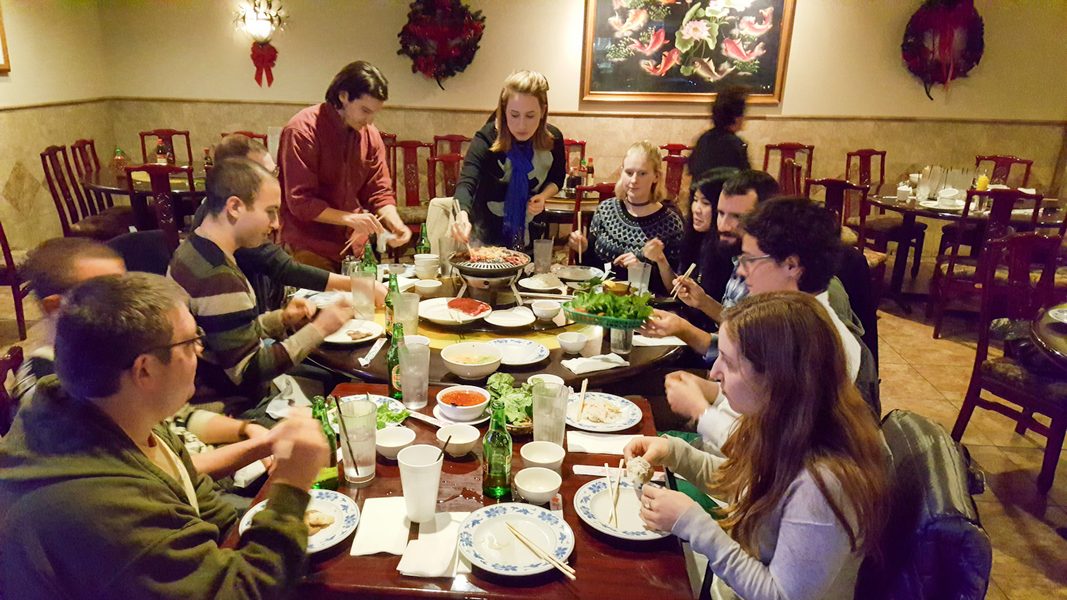
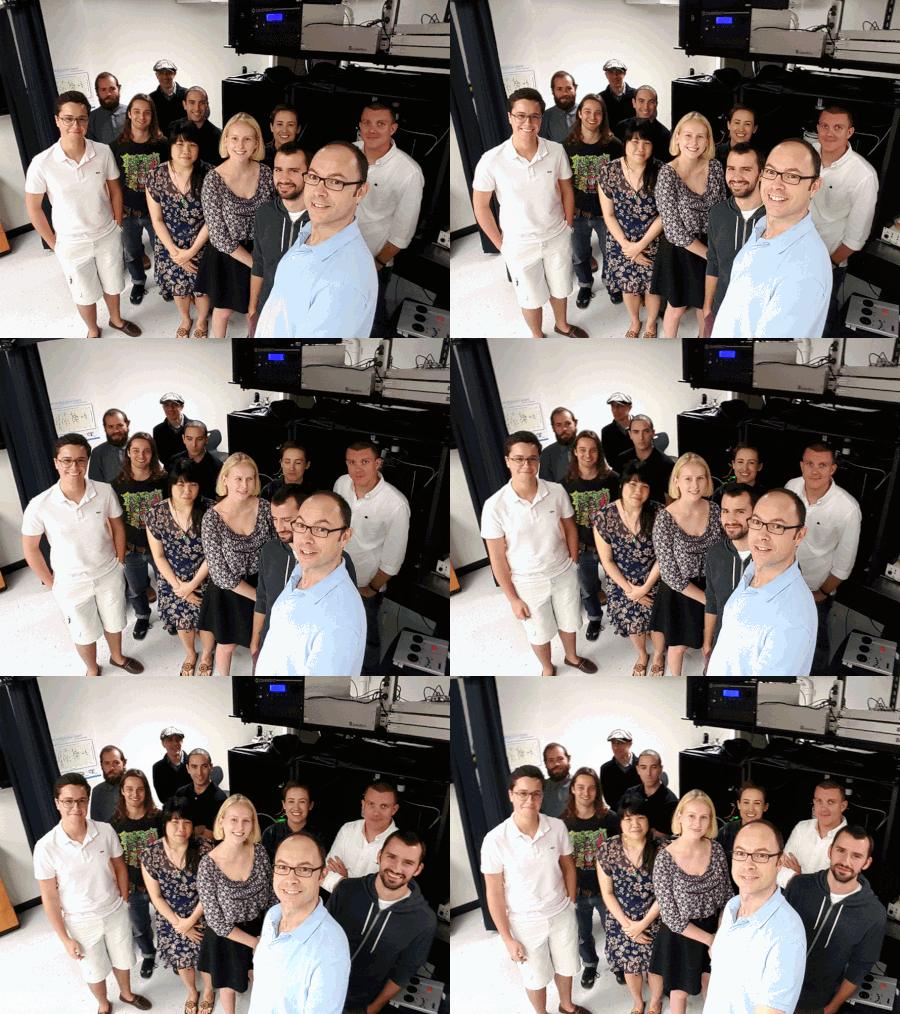
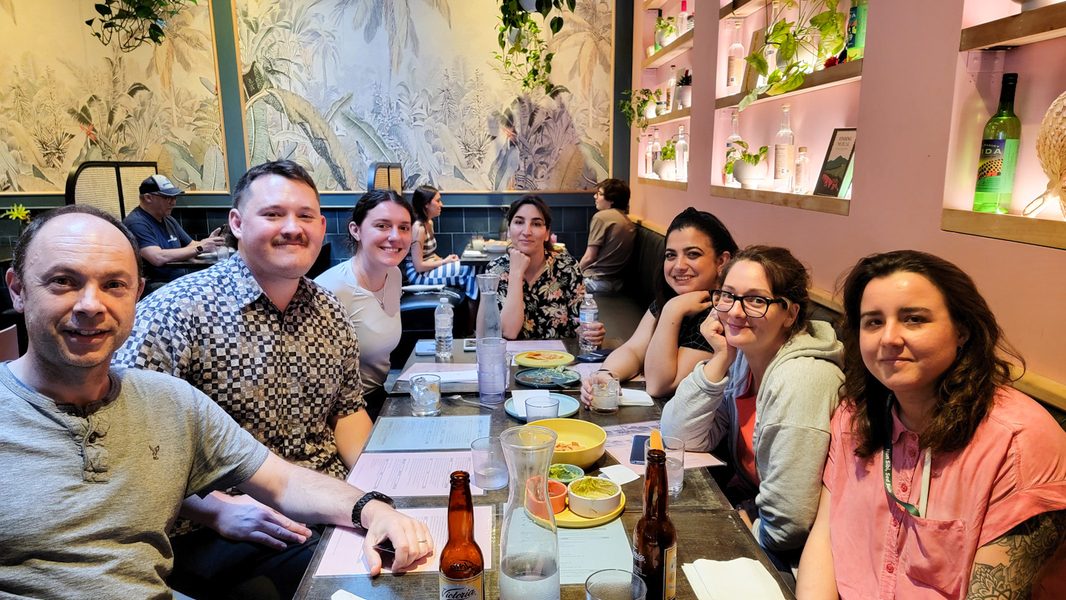
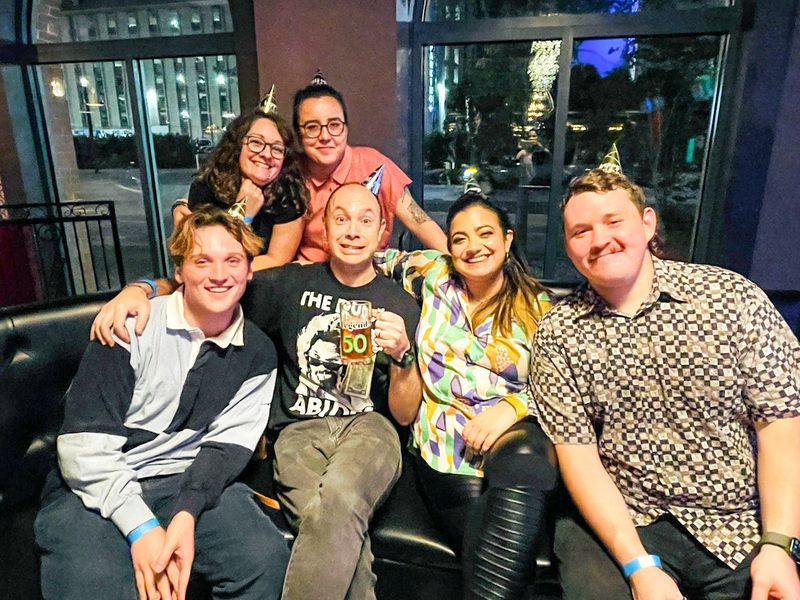
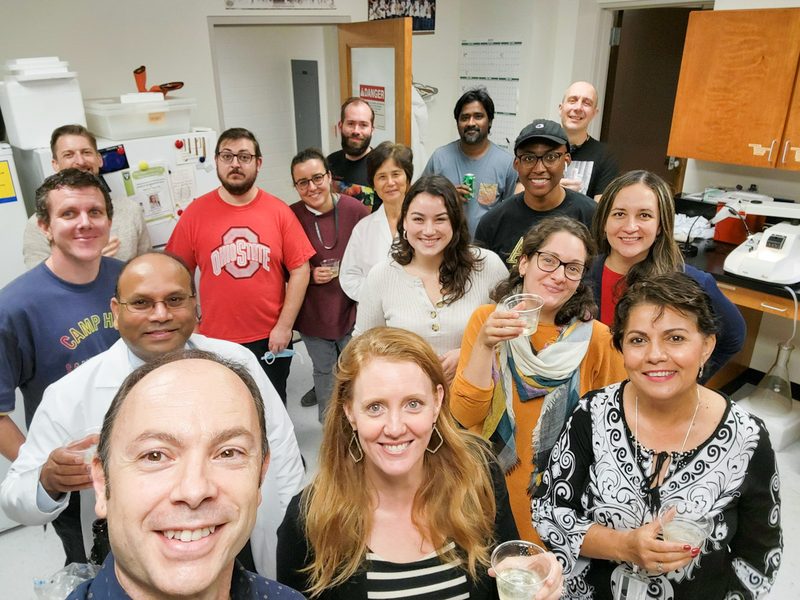
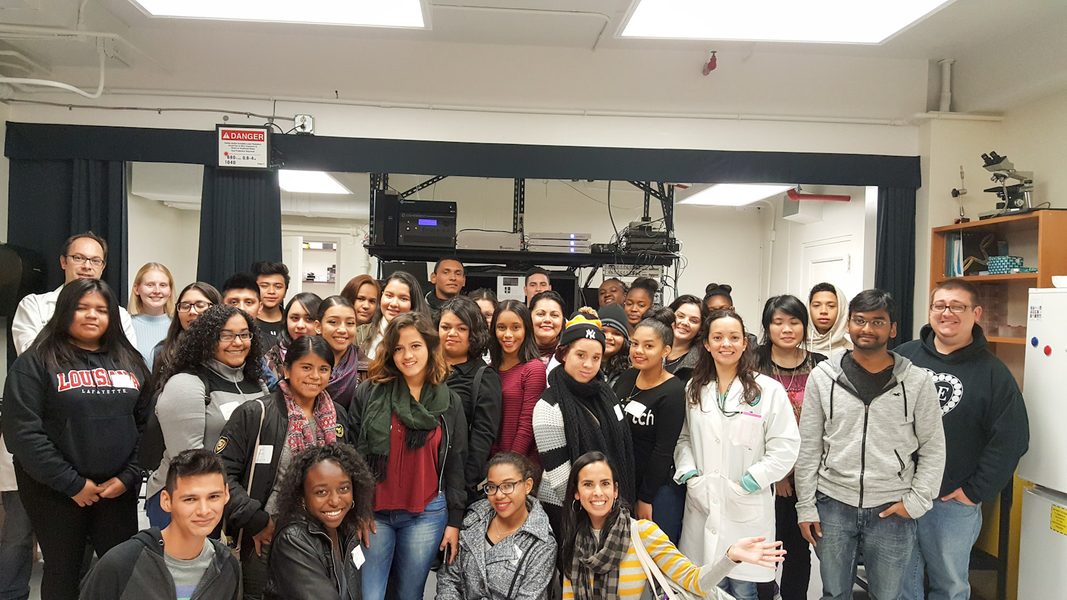
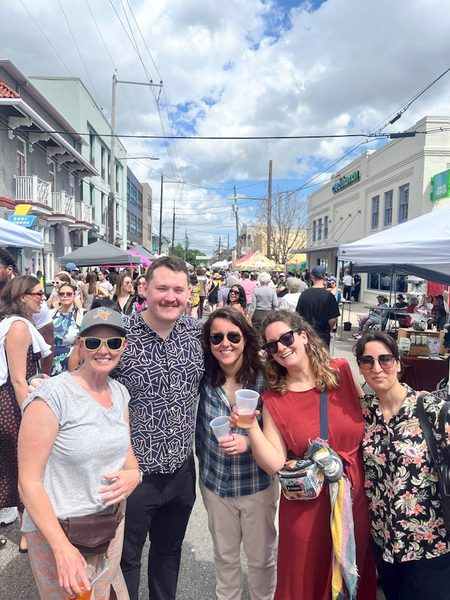
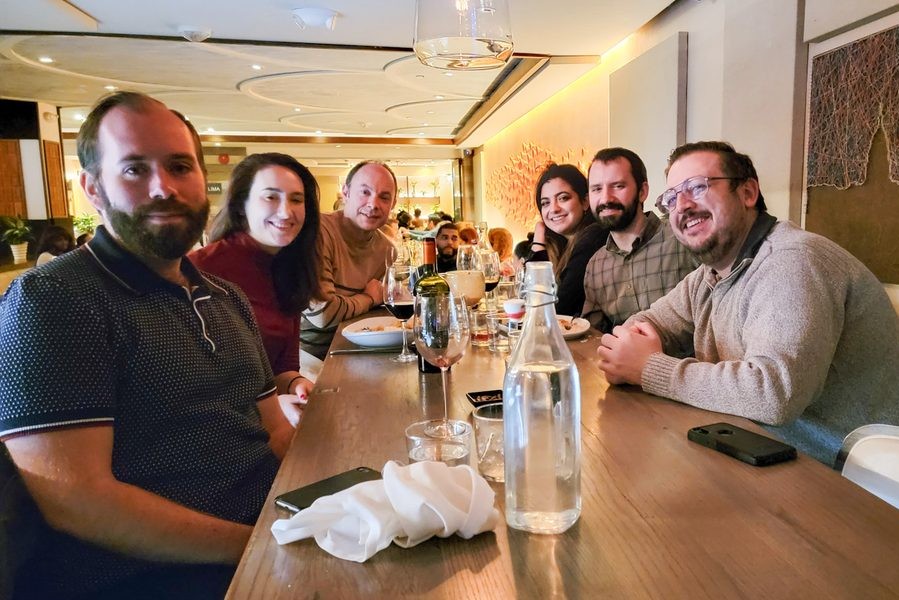
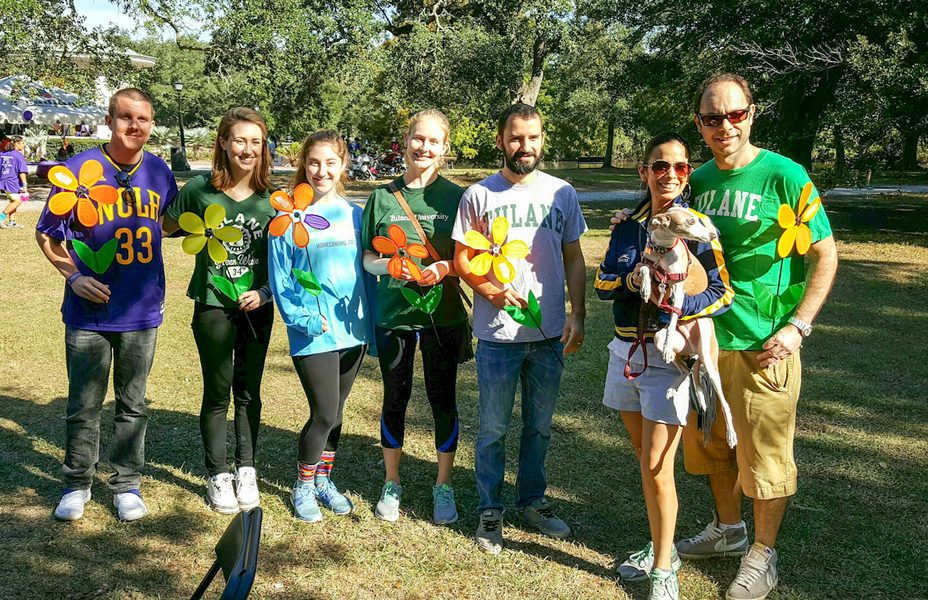
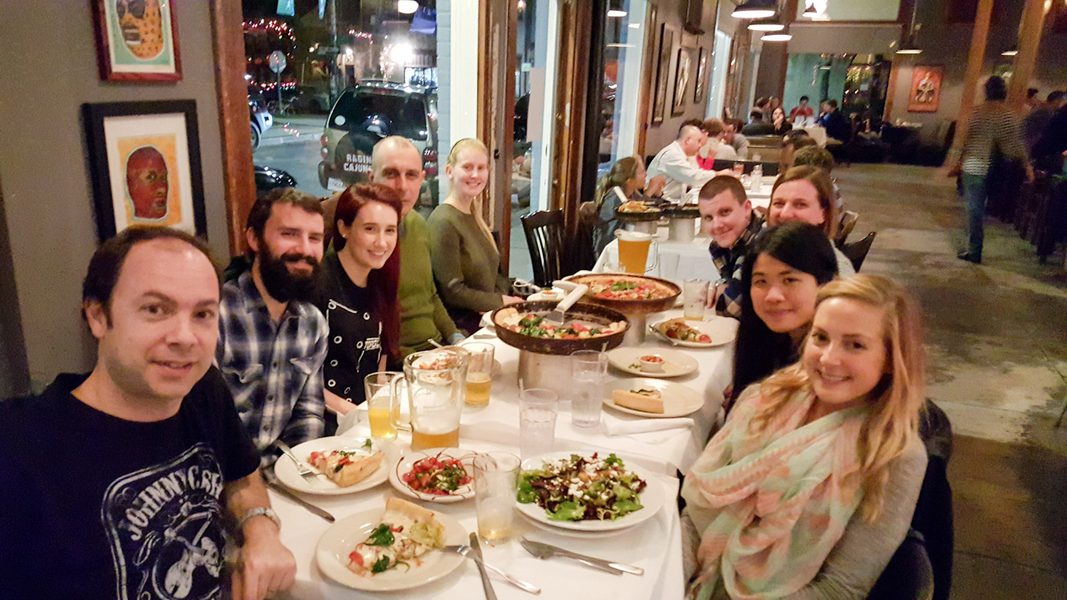
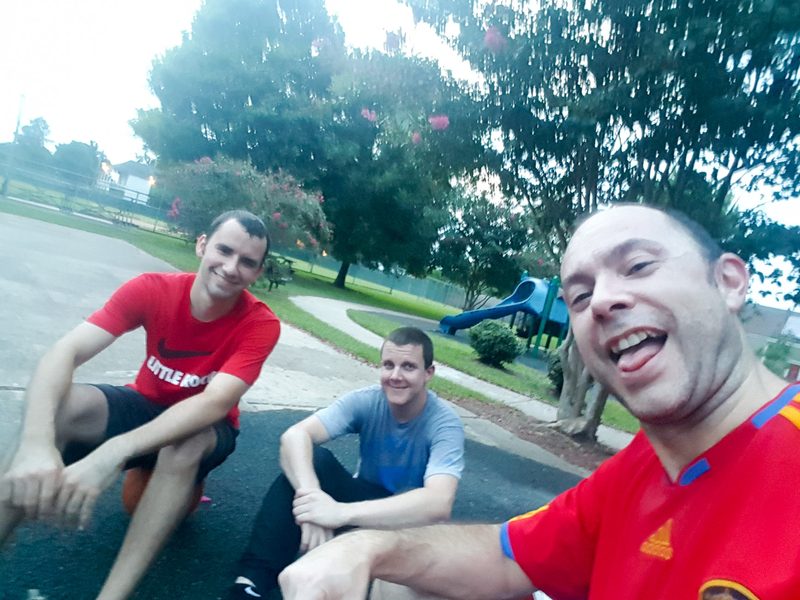
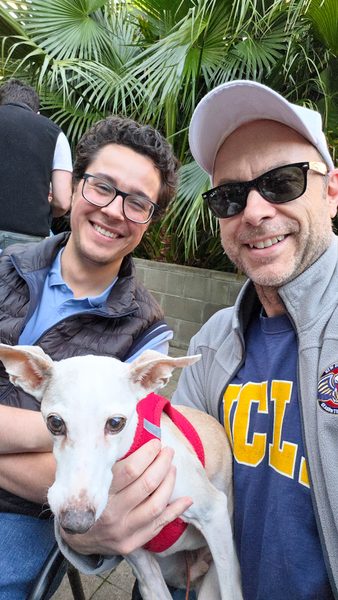
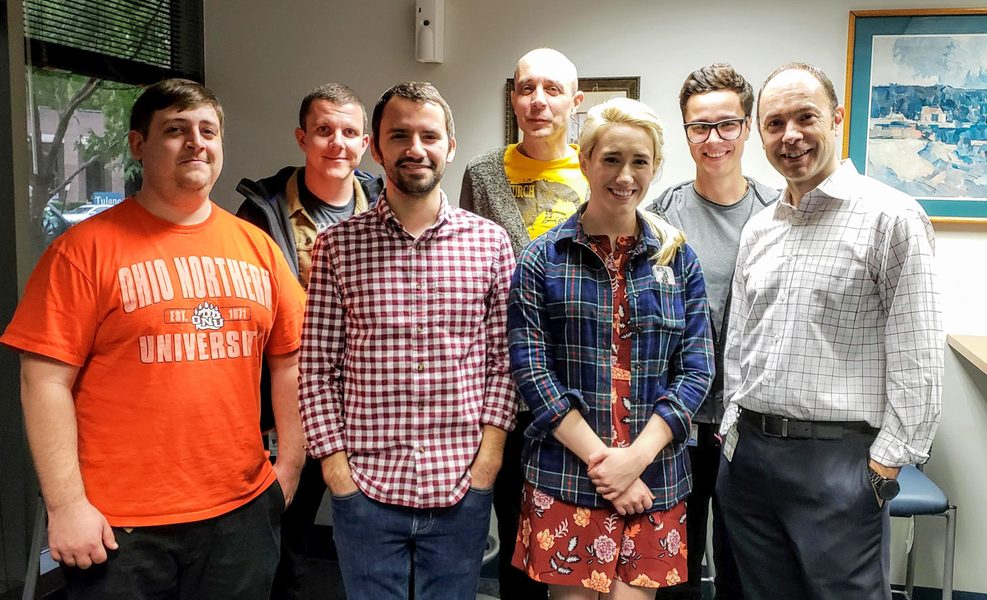
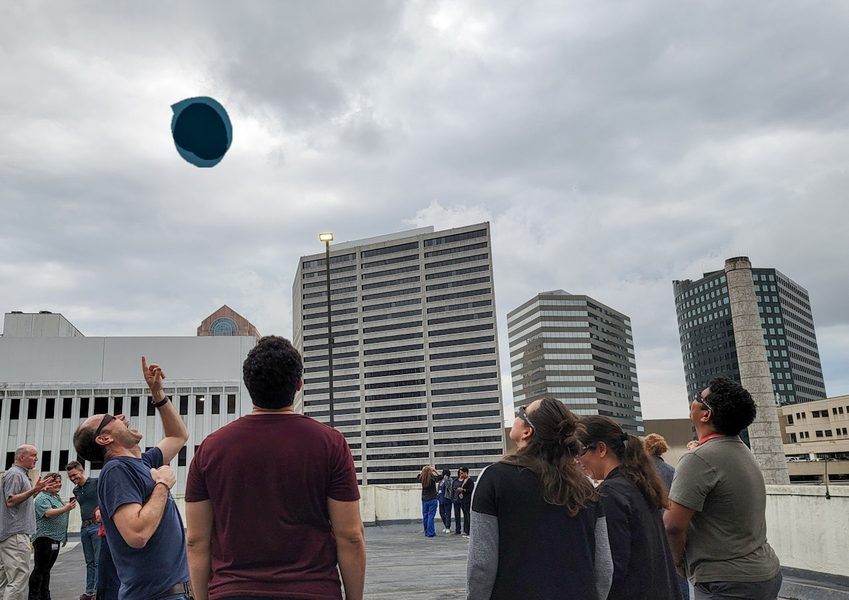
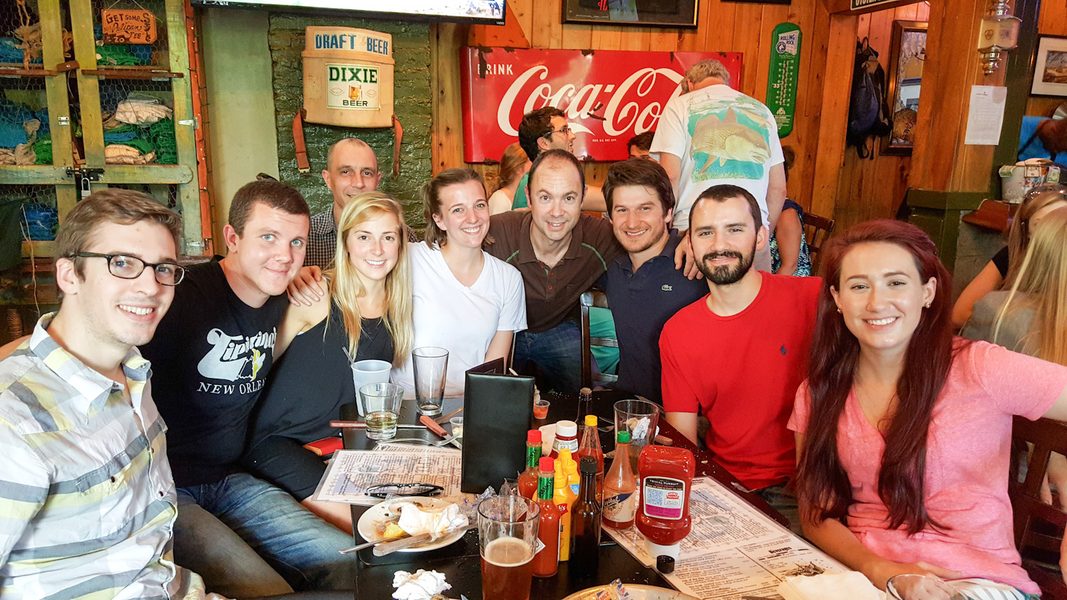
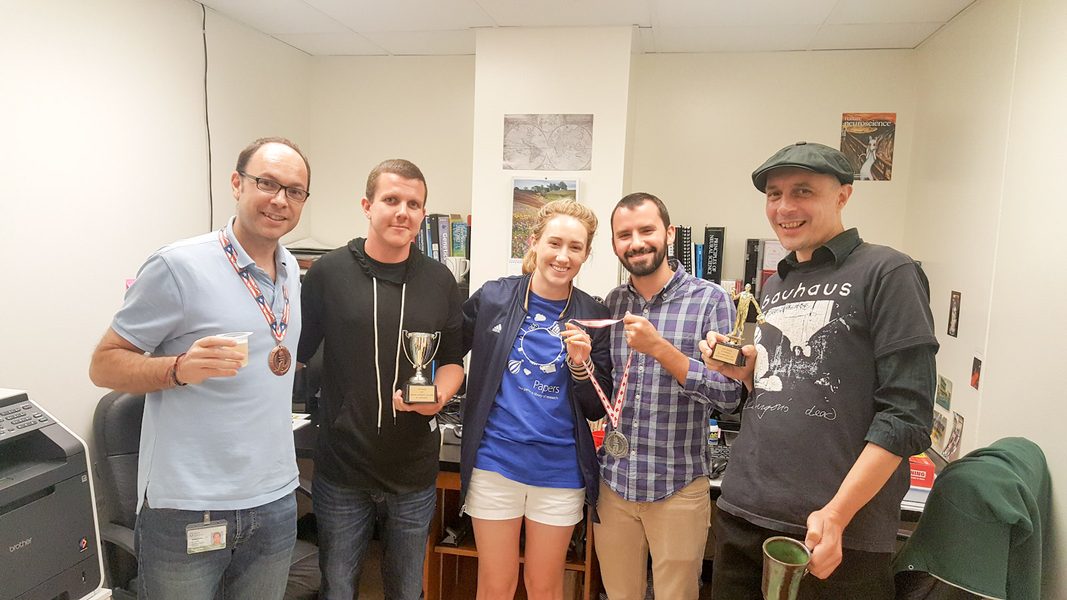
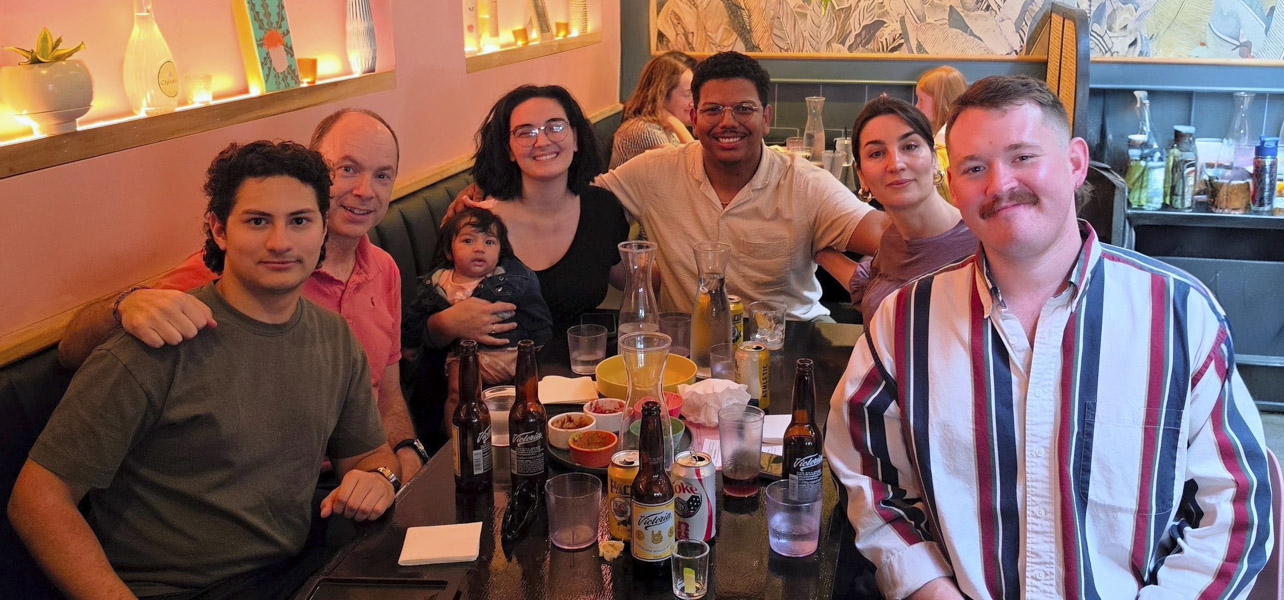
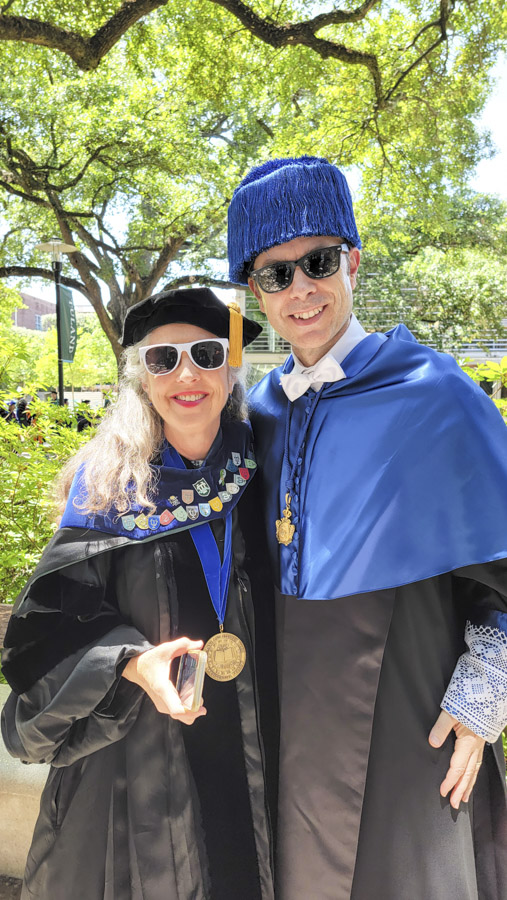
Retreats, celebrations, festivals, and the moments in between. Hover to pause — hover a photo to read its caption.


Get in Touch


